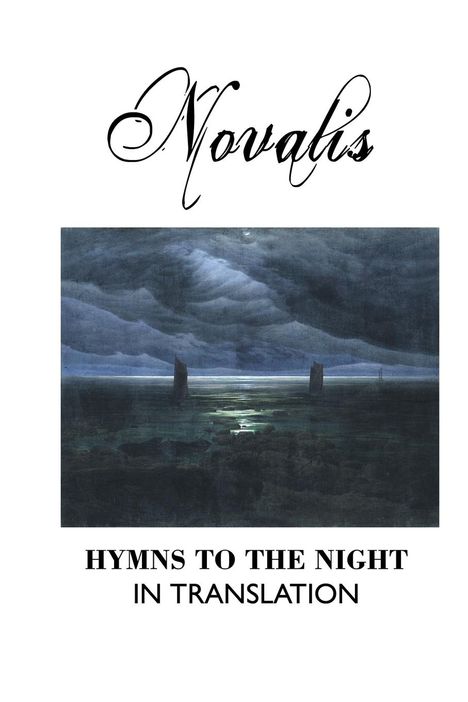

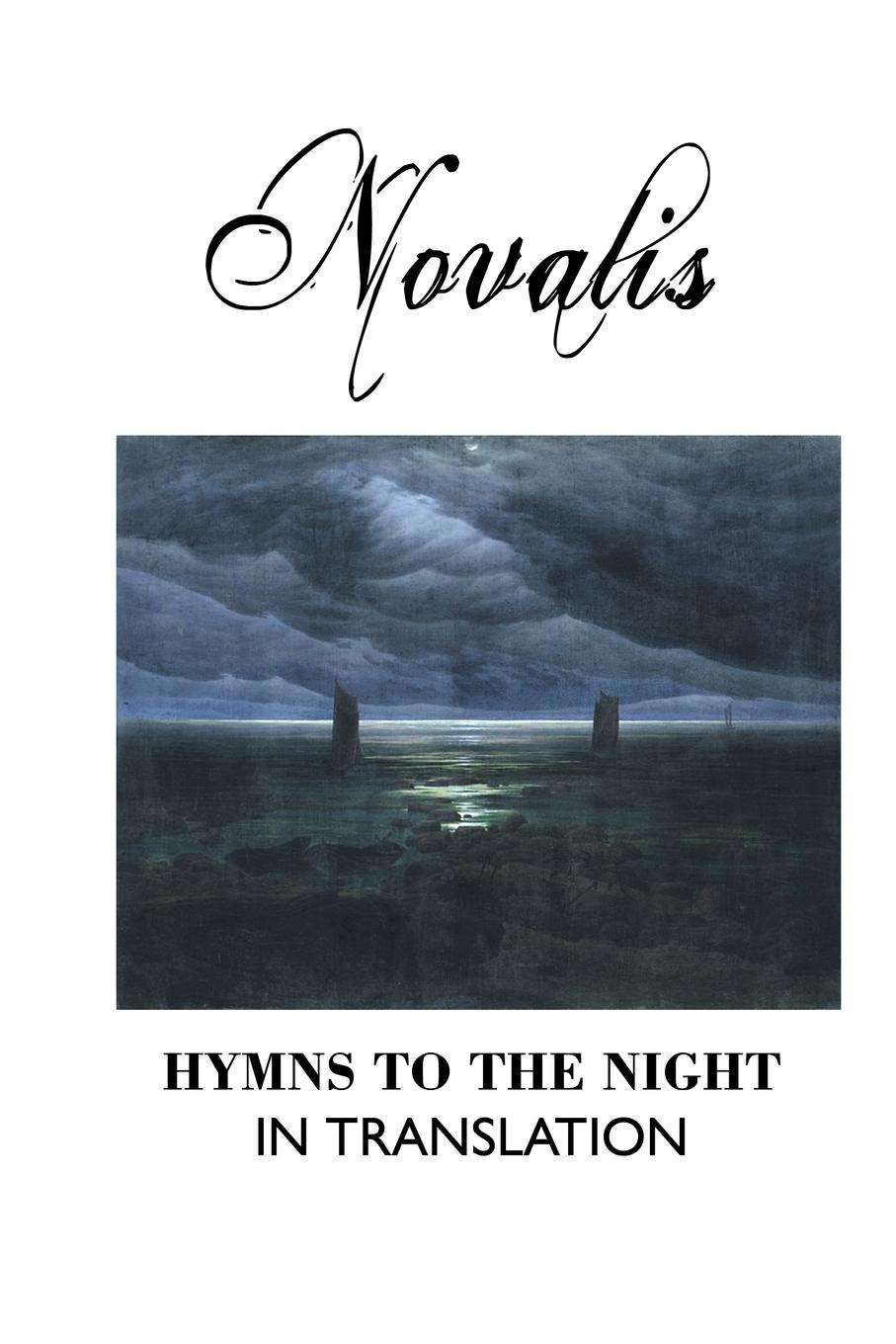
Novalis: Hymns To The Night In Translation, Kartoniert / Broschiert
Hymns To The Night In Translation
(soweit verfügbar beim Lieferanten)
- Herausgeber:
- Carol Appleby
- Verlag:
- Crescent Moon Publishing, 01/2020
- Einband:
- Kartoniert / Broschiert, Paperback
- Sprache:
- Englisch
- ISBN-13:
- 9781861717337
- Artikelnummer:
- 10097299
- Umfang:
- 132 Seiten
- Gewicht:
- 213 g
- Maße:
- 234 x 156 mm
- Stärke:
- 7 mm
- Erscheinungstermin:
- 21.1.2020
- Serie:
- European Writers
- Hinweis
-
Achtung: Artikel ist nicht in deutscher Sprache!
Klappentext
NOVALIS
HYMNS TO THE NIGHT IN TRANSLATION
Edited by Carol Appleby
A new edition of Novalis' Hymns To the Night, translated by George MacDonald, Henry Morley, M. J. Hope and Paul B. Thomas. Includes the German text and illustrations. With an introduction and bibliography.
Novalis (Friedrich von Hardenberg, 1772-1801) is the most mystical of the German Romantic poets. He is at once the most typical and the most unusual of the German Romantic writers, indeed, of all Romantic poets. His best known work, Hymnen an die Nacht , was published in 1800. Novalis is supremely idealistic, far more so than Johann Wolfgang von Goethe or Heinrich Heine. He died young, which makes him, like Percy Bysshe Shelley and John Keats, something of a hero (or martyr). He did not write as much as Shelley, but his work, like that of Keats or Arthur Rimbaud, promised much. It's true, Novalis' work is supremely idealistic, and utopian. But it is also mystical, because it points towards the invisible, unseen and unknown, and aims to reach that ecstatic realm Illustrated. 132pp. www. crmoon. com
Biografie (Novalis)
Die blaue Blume aus Novalis Roman Heinrich von Ofterdingen ist zum Inbegriff romantischer Sehnsucht und Träumerei geworden. Novalis selbst verkörpert für viele das romantisch-sensible Junggenie schlechthin. Darüber hinaus aber war Novalis als Bergbauingenieur und Philosoph vor allem ein hoch professioneller Forscher, Theoretiker und Intellektueller, dem die Trennung von Geistes- und Naturwissenschaften noch völlig fremd war und der sich mit Gesteinskunde oder Kants Kritik der reinen Vernunft genauso gut auskannte wie mit den Nachtseiten des Lebens.