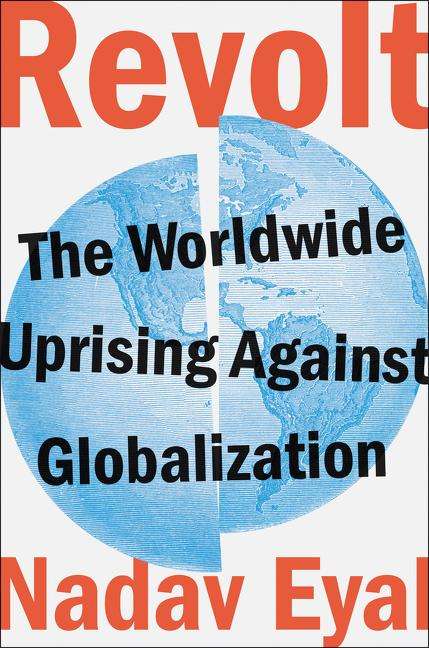

Nadav Eyal: Revolt, Gebunden
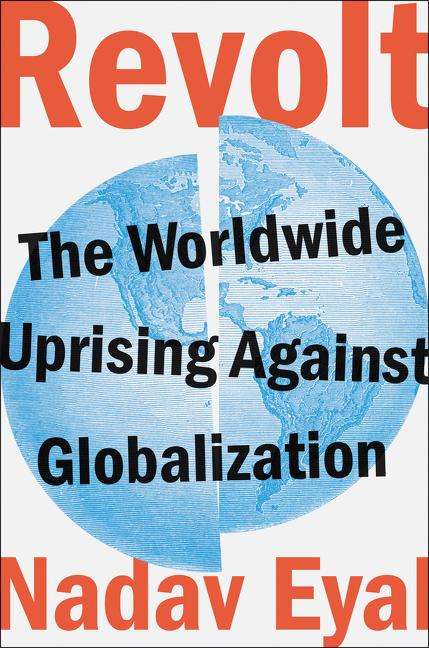
Revolt
- The Worldwide Uprising Against Globalization
(soweit verfügbar beim Lieferanten)
- Verlag:
- HarperCollins, 01/2021
- Einband:
- Gebunden, Hardcover
- Sprache:
- Englisch
- ISBN-13:
- 9780062973351
- Artikelnummer:
- 10720158
- Umfang:
- 528 Seiten
- Gewicht:
- 677 g
- Maße:
- 236 x 159 mm
- Stärke:
- 49 mm
- Erscheinungstermin:
- 26.1.2021
- Hinweis
-
Achtung: Artikel ist nicht in deutscher Sprache!
Weitere Ausgaben von Revolt |
Preis |
|---|
Klappentext
"A well-written and thought-provoking account of the current crisis of globalization. Not everyone will agree with Eyal's interpretation, but few will remain indifferent." ---Yuval Noah Harari, author of Sapiens
An eye-opening examination of nationalism's spread around the world as the promise of globalism wanes
Revolt is an eloquent
and provocative challenge to the prevailing wisdom about the rise of nationalism
and populism. With a vibrant and informed voice, Nadav Eyal illustrates how modern
globalization is not sustainable. He contends that the collapse of the current
world order is not so much about the imbalance between technological
achievement and social progress or the breakdown of liberal democracy as it is
about a passion to upend and destroy power structures that have become hollow,
corrupt. or simply unresponsive to urgent needs. Eyal illuminates the benign
and malignant forces that have so rapidly transformed our economic, political,
and cultural realities, shedding light not only on the economic and cultural
revolution that has come to define our time but also on the counterrevolution
waged by those it has marginalized and exploited.
With a mixture of
journalistic narrative, penetrating vignettes, and original analysis, Revolt shows that the left and right have much in common. Eyal tells stories of
distressed Pennsylvania coal miners, anarchist communes on the outskirts of
Athens, a Japanese town with collapsing fertility rates, neo-Nazis in Germany,
and Syrian refugee families whom he accompanied from the shores of Greece to
their destination in Germany. Into these reports from the present Eyal weaves
lessons from the past, from the opium wars in China to colonialist Haiti to the
Marshall Plan. With these historical ties, he shows that the revolts' roots have
always been deep and strong, and that rather than seeing current uprisings as part
of a passing phenomenon, we should recognize that revolt is the new status quo.