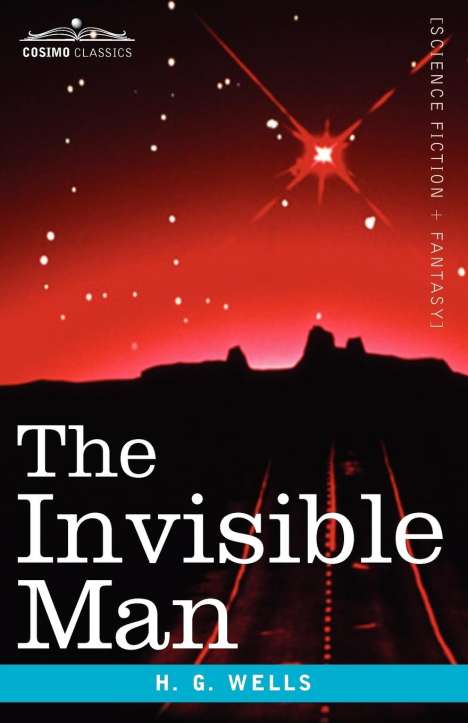

H. G. Wells: The Invisible Man, Kartoniert / Broschiert
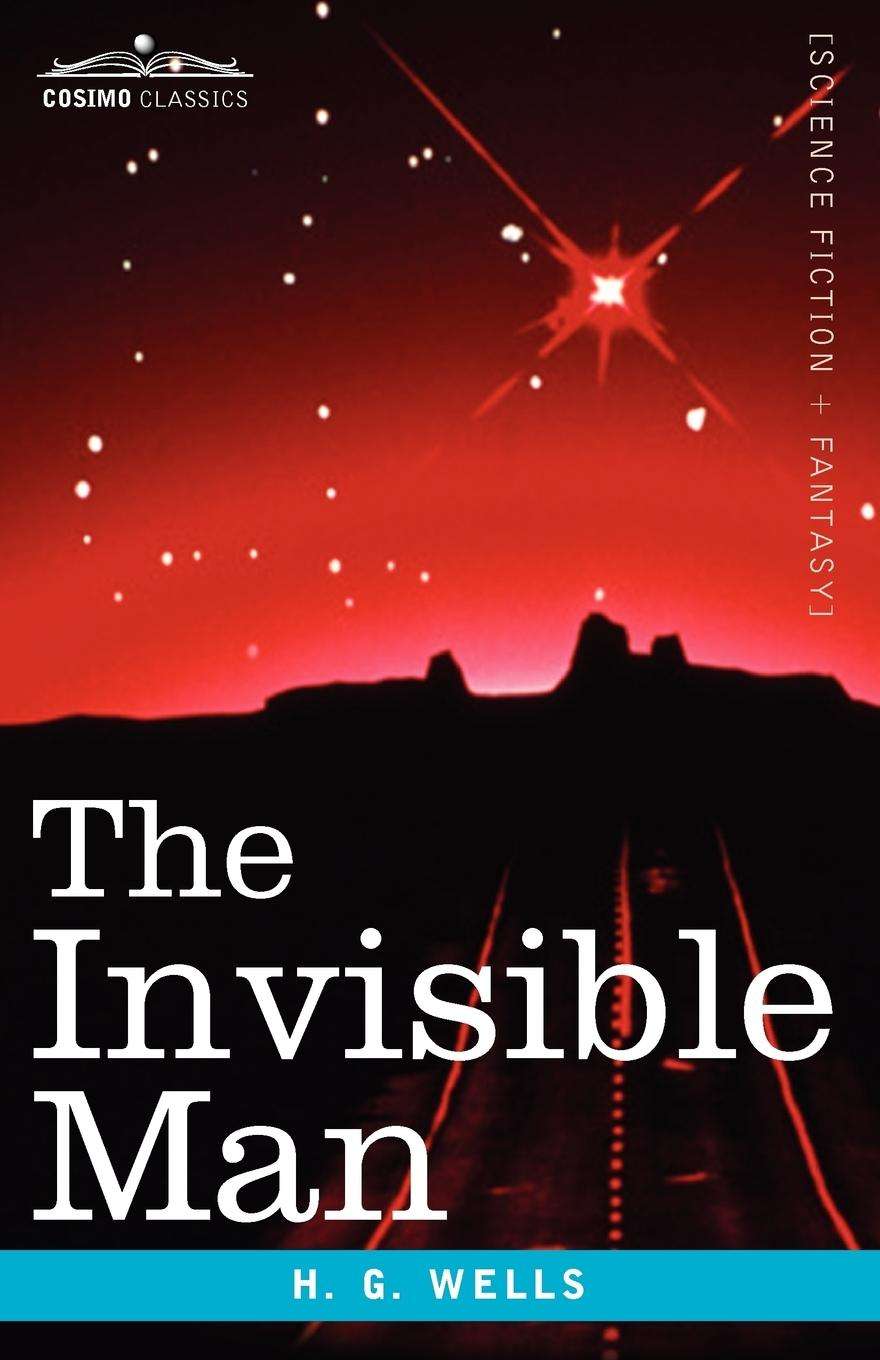
The Invisible Man
(soweit verfügbar beim Lieferanten)
- Verlag:
- Cosimo Classics, 09/2009
- Einband:
- Kartoniert / Broschiert, Paperback
- Sprache:
- Englisch
- ISBN-13:
- 9781605206288
- Artikelnummer:
- 7225639
- Umfang:
- 118 Seiten
- Altersempfehlung:
- 9 - 12 Jahre
- Gewicht:
- 160 g
- Maße:
- 216 x 140 mm
- Stärke:
- 6 mm
- Erscheinungstermin:
- 1.9.2009
- Hinweis
-
Achtung: Artikel ist nicht in deutscher Sprache!
Weitere Ausgaben von The Invisible Man |
Preis |
|---|---|
| Buch, BC, Englisch | EUR 12,00* |
| Buch, Gebunden, Englisch | EUR 36,58* |
| Buch, Kartoniert / Broschiert, Englisch | EUR 22,35* |
| Buch, Kartoniert / Broschiert, Englisch | EUR 12,96* |
Klappentext
It's one of the most famous novels of the 19th century, and probably the one that's least actually read. *The Invisible Man,* first published in 1897, became the basis for the classic 1933 film starring Claude Rains-as well as its many spinoffs-but the novel is quite different: it's an early example of science fantasy that was as much about character as it was about concept.
One of the most enduringly popular writers of modern literature, Wells here assured his position as one of the fathers of imaginative literature with his psychologically complex tale of a scientist who renders himself invisible and eventually goes mad because of it. And because it focuses more on people than on technology, it remains a compelling tale even more than a century after it was written.
British author HERBERT GEORGE WELLS (1866-1946) is best known for his groundbreaking science fiction novels *The Time Machine* (1895), *The Invisible Man* (1897), and *The War of the Worlds* (1898).
Biografie
H(erbert) G(eorge) Wells, geb. am 21. September 1866 in Bromley/Kent, starb am 13. August 1946 in London. Nach einer Kaufmannslehre absolvierte er ein naturwissenschaftliches Studium mit Prädikatsexamen; nach nur wenigen Jahren als Dozent lebte er als freier Schriftsteller. Sein Gesamtwerk umfaßt etwa hundert Bände. Zu Weltruhm gelangte er mit seinen Romanen und Erzählungen, die ihn als Begründer der modernen Science Fiction, als genialen phantastischen Utopisten und als kritisch-humorvollen Gesellschaftssatiriker ausweisen.