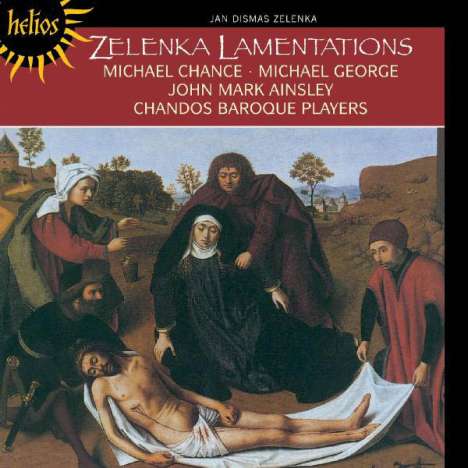

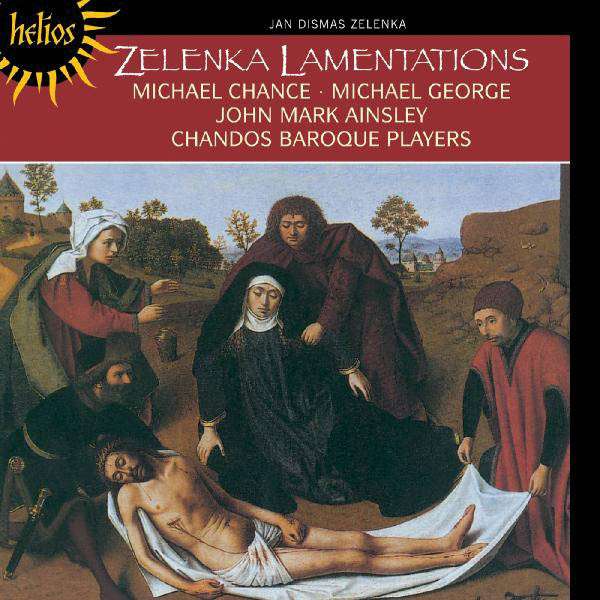
Jan Dismas Zelenka: Lamentationes Jeremiae auf CD
Lamentationes Jeremiae
Herkömmliche CD, die mit allen CD-Playern und Computerlaufwerken, aber auch mit den meisten SACD- oder Multiplayern abspielbar ist.
Lassen Sie sich über unseren eCourier benachrichtigen, falls das Produkt bestellt werden kann.
Ähnliche Artikel


Jan dismas zelenka (1679–1745) war einer der bedeutendsten Vertreter des böhmischen Barock, auch wenn er den überwiegenden Teil seines Lebens in Dresden verbrachte. Tschechische Musikhistoriker sprechen von „Emigration“, wenn sie das Phänomen beschreiben, das böhmische Komponisten und Musiker des 17. und 18. Jahrhunderts, darunter auch Zelenka, immer wieder veranlasste, eine Karriere außerhalb der tschechischen Lande anzustreben. Trotz der Einflüsse seiner Dresdener Zeitgenossen gehört Zelenkas Musik unverkennbar der katholischen österreichisch-böhmischen Tradition an. Sie übernimmt den italienischen Stil, wie er von Wiener Komponisten wie Fux und Caldara ausging, anstelle der protestantischen Traditionen, die in Böhmen unbekannt waren Dieser italienisch „katholische“ Stil errang im späten 17. Jahrhundert plötzliche und allgemeine Popularität. Die Kirchenmusik wurde in ähnlicher Weise verwandelt, wie die Landschaft dank eines ehrgeizigen Bauprogramms verwandelt wurde, das in jeder Stadt und jedem Dorf üppige Barockkirchen erstehen ließ. Doch Zelenka lässt selbst diese lokale Tradition hinter sich: Er ist unter den Barockkomponisten einer der kultiviertesten und attraktivsten, und das, obwohl seine Werke selbst heute noch zu wenig bekannt sind.
Product-Information:
Jan dismas zelenka (1679–1745) was one of the greatest representatives of the Bohemian Baroque, although he spent most of his life at Dresden in Saxony. Czech music historians speak of an ‘emigration’ to describe the phenomenon which induced seventeenth- and eighteenth-century Bohemian composers and performers like Zelenka, time and again, to make their careers outside the Czech lands. Despite the influences of his contemporaries at Dresden, however, Zelenka’s music is very recognisably in the Catholic Austro-Bohemian tradition. It follows the Italian style as transmitted through Viennese composers such as Fux and Caldara, rather than through Protestant traditions, which were unfamiliar in Bohemia. This Italian ‘Catholic’ style achieved sudden and universal popularity in central Europe in the late seventeenth century. Church music was transformed, rather as the landscape was transformed through the ambitious building programme which placed exuberant Baroque churches in every town and village. However, Zelenka also transcends this local tradition: he is one of the most accomplished and attractive of all Baroque composers, although his work is even today too little known.
Rezensionen
'This is a real gem' (International Record Review)
'Quite simply, it's the most consistently beautiful sung version of the work I know, with exemplary instrumental contributions. If you don't have it already make sure you don't miss it this time round' (Early Music Review)
'Performances which are not only exemplary but compelling' (Organists' Review)
'Ces lamentations ... méritent assurément le meilleur traitement interprétatif, ce qui es le cas ici' (Télérama, France)
'Unusual music ... a rewarding release' (Gramophone)
'Stylish and deeply moving' (CDReview)
Rezensionen
A. Beaujean in stereoplay 8/91:"Die litur- gischen Klagelieder zum Gründonnerstag, Kar- freitag und Karsamstag in sehr eindrucksvollen monodischinstrumentalbegleiteten Vertonun- gen, die den Zeitgenossen Bachs als einen Meister expressiv geladener Affektenkunst aus- weisen. Vorgetragen werden die Stücke ab- wechselnd von einem Countertenor, einem Tenor und einem Bassisten in so stimmschöner wie stilkundiger Manier. Gut auch das Instru- mentarium."Disk 1 von 1 (CD)
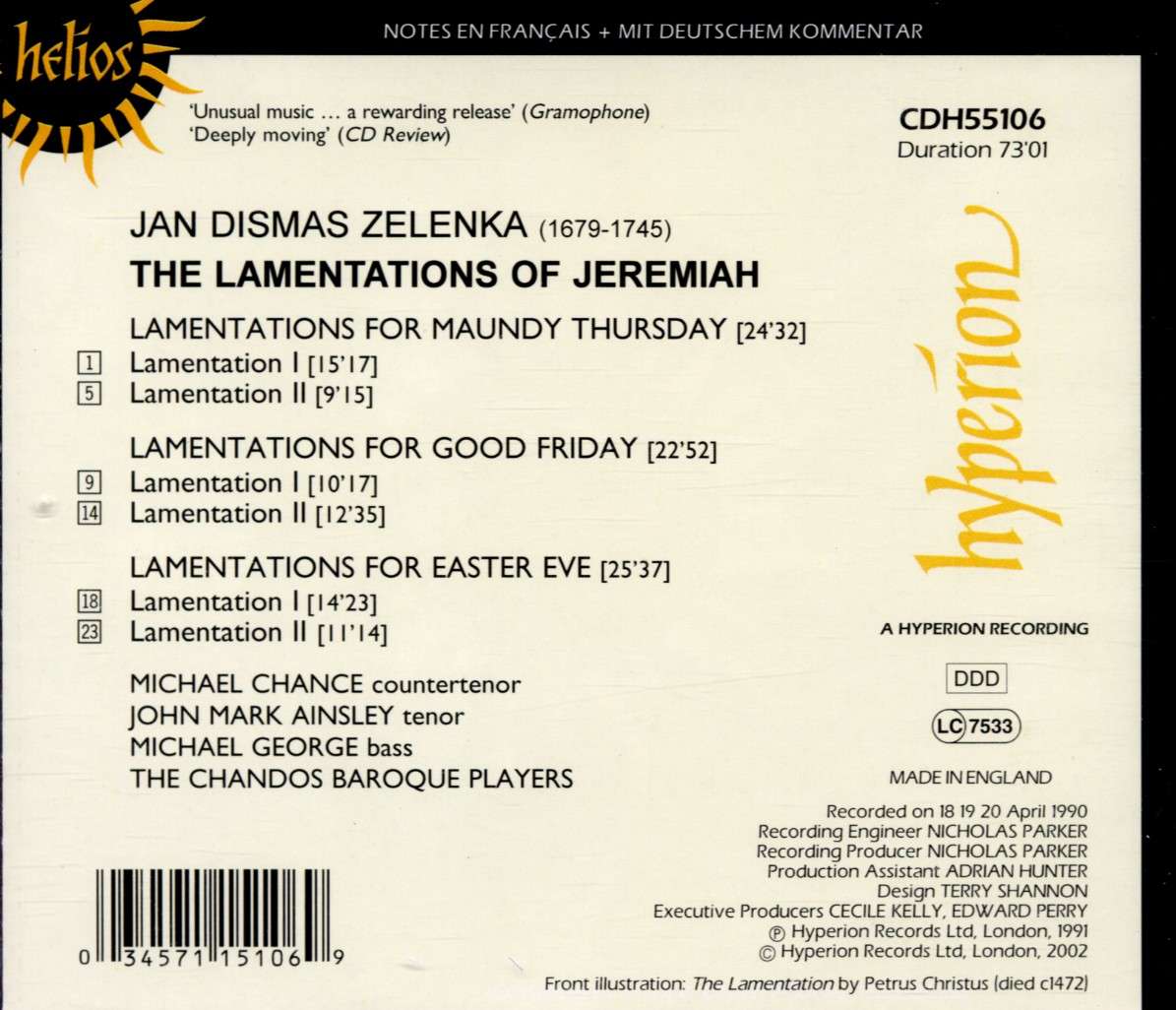
The lamentations of Jeremiah (Gesamtaufnahme)
-
1 Incipit lamentatio (Lamentatio 1) (Lamentationes pro die mercurii sancto)
-
2 Omnes amici eius spreverunt
-
3 Facti sunt hostes eius in capite
-
4 Jerusalem, Jerusalem
-
5 Et egressus est (Lamentatio 2)
-
6 Recordata est Jerusalem
-
7 Ipsa autem
-
8 Jerusalem, Jerusalem
-
9 Cogitavit Dominus (Lamentationes pro die Jovis sancto) (Lamentatio 1)
-
10 Defixae sunt in terra portae eius
-
11 Yod
-
12 Sederunt in terra
-
13 Jerusalem, Jerusalem
-
14 Lamed (Lamentatio 2)
-
15 Matribus suis dixerunt
-
16 Plauserunt super te manibus omnes
-
17 Jerusalem, Jerusalem
-
18 Heth (Lamentationes pro die Veneris sancto) (Lamentatio 1)
-
19 Misericordiae Domini
-
20 Bonus est Dominus
-
21 Sedebit solitarius
-
22 Dabit percutienti se maxillam
-
23 Quomodo obscuratum est aurum (Lamentatio 2)
-
24 Quomodo reputati sunt
-
25 Daleth
-
26 Adhaesit lingua lactentis
-
27 Jerusalem, Jerusalem
Mehr von Jan Dismas Zelenka
-
Jan Dismas ZelenkaSämtliche Orchesterwerke(17)3 CDsAktueller Preis: EUR 14,99
-
Jan Dismas ZelenkaRequiem in D ZWF 46(5)2 CDsVorheriger Preis EUR 32,99, reduziert um 0%Aktueller Preis: EUR 29,99
-
Jan Dismas ZelenkaMissa Divi Xaverii ZWV 12(99)CDAktueller Preis: EUR 19,99
-
Jan Dismas ZelenkaSonaten für 2 Oboen, Violine, Fagott & Bc ZWV 181 Nr.1-6(8)2 CDsAktueller Preis: EUR 29,99