
Robin Wagner: Books & Bones in the Wheat Fields, Kartoniert / Broschiert
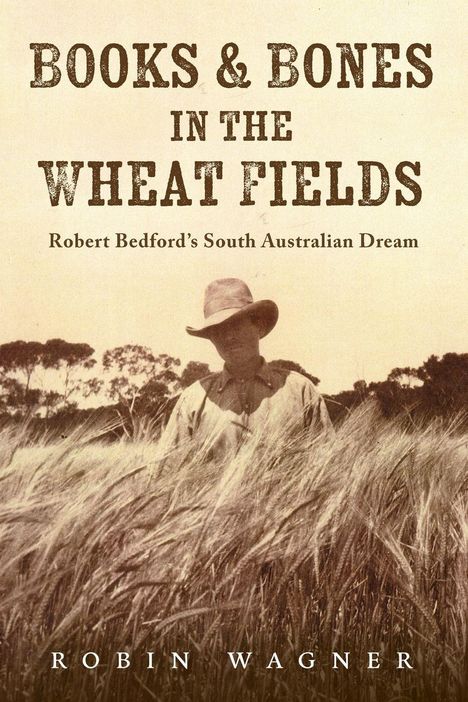
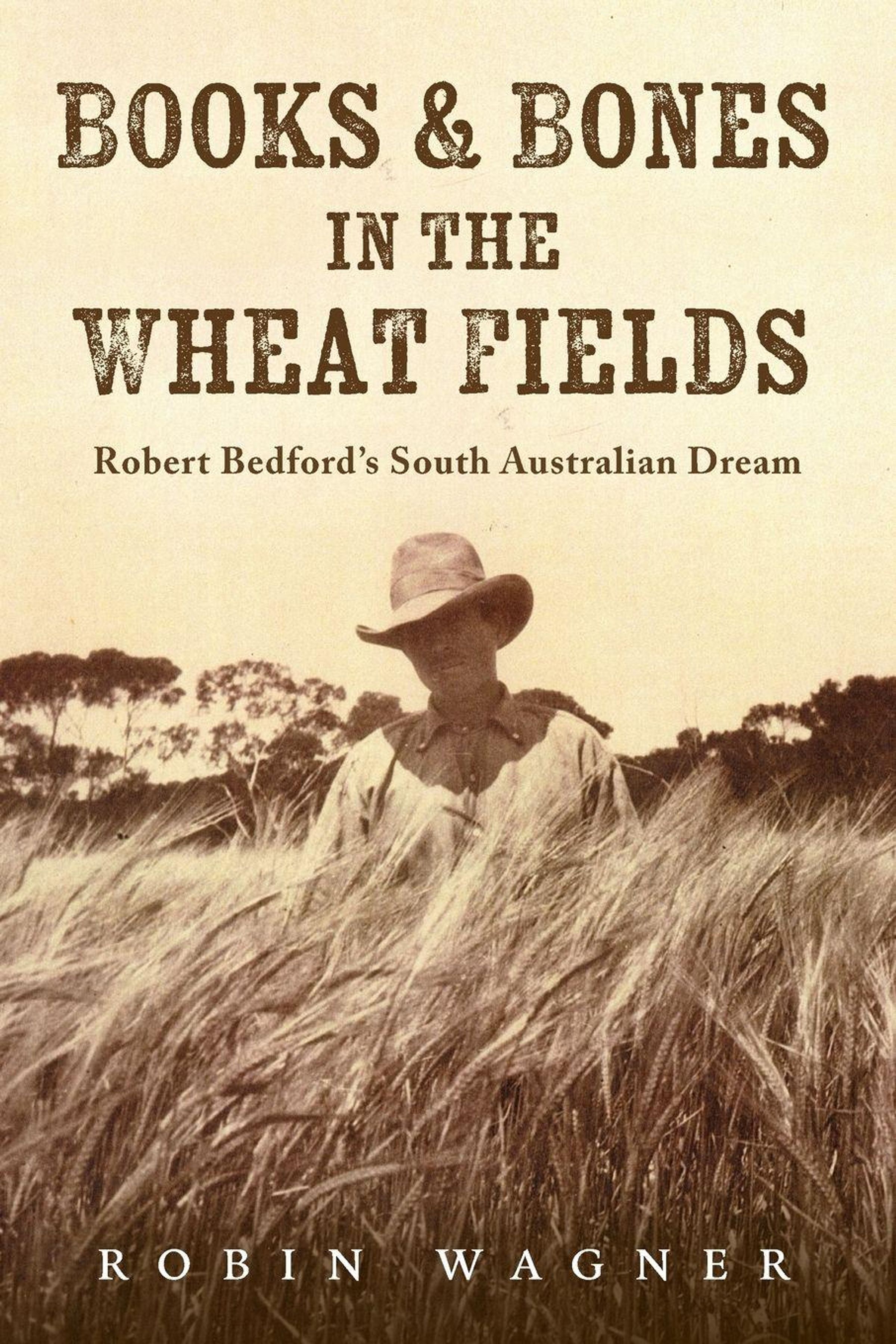
Books & Bones in the Wheat Fields
- Robert Bedford's South Australian Dream
Sie können den Titel schon jetzt bestellen. Versand an Sie erfolgt gleich nach Verfügbarkeit.
- Einband:
- Kartoniert / Broschiert
- Sprache:
- Englisch
- ISBN-13:
- 9798995275909
- Artikelnummer:
- 12966023
- Umfang:
- 374 Seiten
- Gewicht:
- 671 g
- Maße:
- 229 x 152 mm
- Stärke:
- 26 mm
- Erscheinungstermin:
- 29.10.2026
- Hinweis
-
Achtung: Artikel ist nicht in deutscher Sprache!
Klappentext
A remarkable life set against the changing landscape of early twentieth-century South Australia.
Robert Bedford, born Robert Buddicom, was a 20th century scientist, philosopher, inventor, and community organizer. Banished from his home in England in 1915, he eventually landed in Kyancutta, South Australia where he established a library and museum. He also practiced medicine, operated a post office and general store, built a cottage hospital, removed fossils and meteorites from public lands, and constructed an aerodrome in the middle of the wheat fields to capitalize on east-west air traffic in the early days of Australian aviation.
Bedford's ambitions were practically unlimited. With the right financial backing from the Carnegie Corporation of New York and other sources, he expected to turn a museum in the hinterlands into a major cultural center.
While that kind of financial support never developed-nor did his hopes of joining Adelaide's scientific establishment-Bedford nonetheless accomplished a great deal. His library was a magnet for residents of the Eyre Peninsula. His museum contained important items ranging from an Egyptian sarcophagus to spectacular fossils. But perhaps most important, however imperious and self-centered he was, Bedford played a constructive role as a community leader, author of significant scientific papers, and advocate for a free library system in South Australia. He was a character of the first class.
In telling Bedford's story, Books & Bones in the Wheat Fields sheds fresh light on life in South Australia during the period between the Great War and World War II.