

Mark Hendrickson: Antimony, Kartoniert / Broschiert
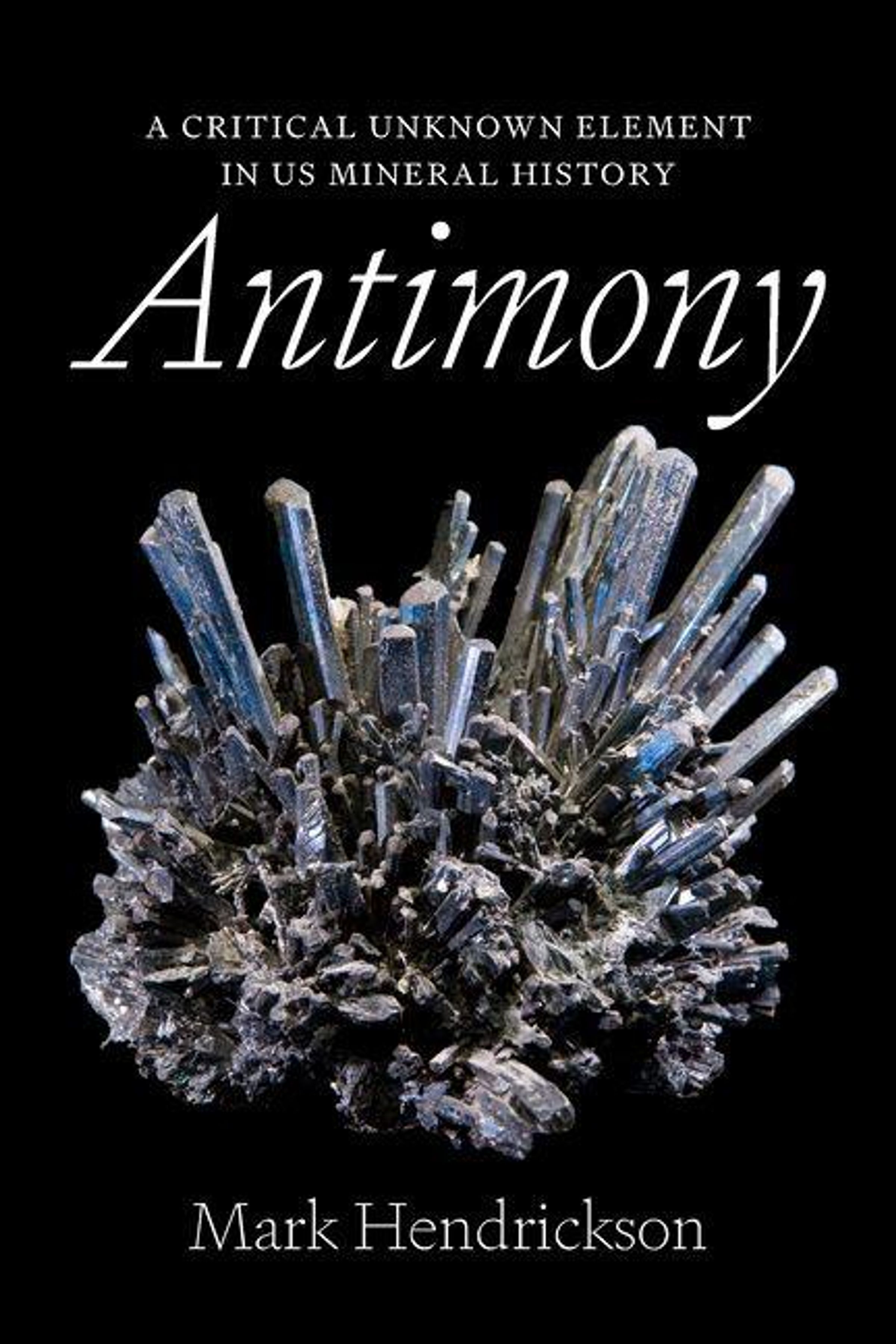
Antimony
- A Critical Unknown Element in US Mineral History
Sie können den Titel schon jetzt bestellen. Versand an Sie erfolgt gleich nach Verfügbarkeit.
- Verlag:
- Johns Hopkins University Press, 02/2027
- Einband:
- Kartoniert / Broschiert
- Sprache:
- Englisch
- ISBN-13:
- 9781421456522
- Artikelnummer:
- 12831528
- Umfang:
- 288 Seiten
- Maße:
- 229 x 152 mm
- Stärke:
- 17 mm
- Erscheinungstermin:
- 16.2.2027
- Serie:
- Johns Hopkins Studies in the History of Technology
- Hinweis
-
Achtung: Artikel ist nicht in deutscher Sprache!
Klappentext
The surprising history of the little-known element that shaped the modern world.
Few people have heard of antimony, yet modern life depends on it. Found in everything from semiconductors, smartphones, and batteries to flame retardants, military equipment, and renewable energy technologies, this little-known element has quietly shaped the technologies, industries, and global supply chains that define the twentieth and twenty-first centuries. In Antimony, Mark Hendrickson uncovers the remarkable history of one of the world's most strategically important minerals.
Following antimony from mines and smelters to factories, battlefields, recycling facilities, and consumer products, he reveals how a seemingly obscure element became indispensable to modern industry while exposing nations to new forms of economic, geopolitical, and environmental vulnerability. Centering the intertwined histories of the United States and China, Hendrickson traces the rise of global mineral supply chains, the changing relationship between governments and industry, and the consequences of relying on materials whose production lies beyond national borders. Along the way, he shows how antimony has moved through countless products before ultimately entering the air, water, and human bodies in unexpected ways.
By illuminating the hidden history of a single element, Antimony offers a fascinating perspective on globalization, resource dependence, technological innovation, and environmental change. Richly researched and engagingly written, this timely book demonstrates that the history of modern life cannot be understood without examining the minerals that make it possible--and the lasting consequences of extracting, consuming, and discarding them.


